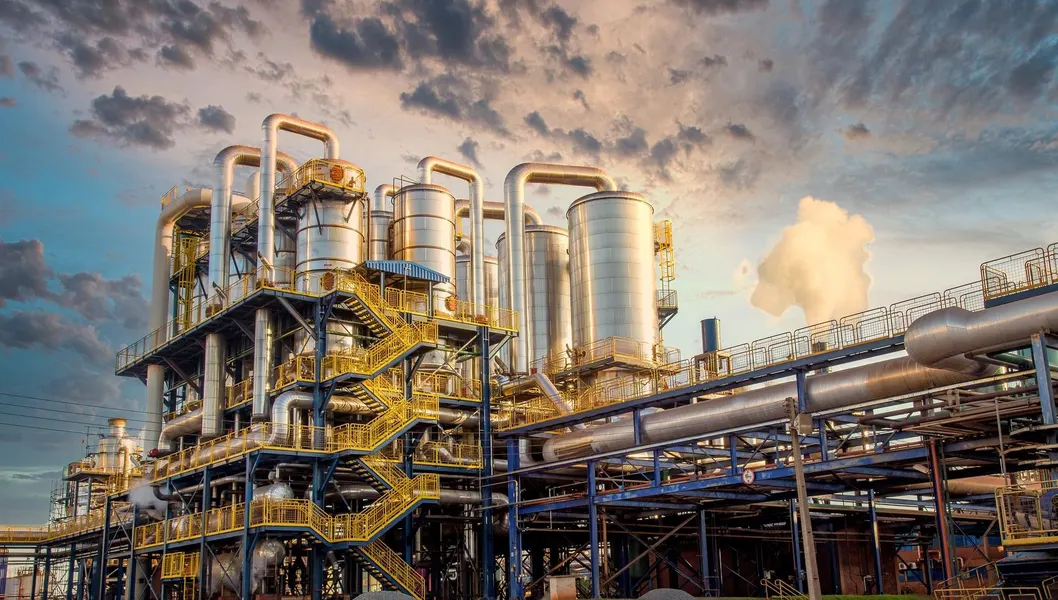
The petroleum and chemical industries operate in highly complex, regulated, and safety-critical environments. Accurate analysis of raw materials, process streams, and finished products is essential to ensure product quality, operational efficiency, environmental compliance, and workplace safety. At the core of this analytical capability lies one crucial decision: choosing the right analytical equipment.
Selecting appropriate analytical instruments is not just a purchasing decision—it is a strategic investment that directly impacts performance, compliance, and long-term profitability. This article explores the key factors, challenges, and best practices for choosing the right analytical equipment for petroleum and chemical industries.
Why Analytical Equipment Is Critical in These Industries
Petroleum and chemical processes involve complex reactions, high temperatures, hazardous substances, and strict quality specifications. Analytical equipment is used to:
- Monitor raw material quality
- Control production processes
- Detect impurities and contaminants
- Ensure product consistency
- Meet environmental and safety regulations
Any inaccuracy in analysis can lead to production losses, safety incidents, regulatory penalties, or reputational damage. This makes the selection of reliable and precise analytical instruments absolutely essential.
Understanding Industry-Specific Requirements
Before selecting analytical equipment, it is important to understand the specific needs of petroleum and chemical operations.
Petroleum & Refinery Industry Needs
- Fuel composition analysis
- Sulfur, moisture, and trace element detection
- Process stream monitoring
- Quality control of refined products
Chemical & Petrochemical Industry Needs
- Chemical composition and purity analysis
- Reaction monitoring
- Quality assurance and batch consistency
- Environmental and emission testing
Each application requires instruments with suitable accuracy, sensitivity, and durability to operate in demanding industrial conditions.
Key Factors to Consider When Choosing Analytical Equipment
1. Accuracy, Precision, and Sensitivity
The primary function of analytical equipment is to provide reliable data. Instruments must offer high accuracy and precision, especially when measuring trace-level components.
Key considerations include:
- Detection limits
- Repeatability and reproducibility
- Stability under continuous operation
High-quality instruments ensure consistent results, enabling better process control and confident decision-making.
2. Compliance with Industry Standards
Petroleum and chemical industries must comply with strict international and regional standards such as:
- ASTM
- ISO
- API
- EPA regulations
Analytical equipment should support standardized test methods and provide validated results. Compliance-ready instruments help organizations pass audits, maintain certifications, and avoid regulatory issues.
3. Instrument Type and Application Fit
Choosing the right type of instrument depends on the analytical application. Common analytical instruments used in these industries include:
- Gas Chromatography (GC): For hydrocarbon and gas analysis
- High-Performance Liquid Chromatography (HPLC): For complex chemical separation
- Spectroscopy (UV, IR, ICP): For elemental and molecular analysis
- Thermal Analyzers: For material and polymer characterization
- Elemental Analyzers: For trace metals and sulfur detection
Selecting equipment that precisely matches the intended application ensures optimal performance and avoids unnecessary costs.
4. Durability and Industrial Design
Analytical instruments in petroleum and chemical plants often operate in harsh environments with exposure to heat, pressure, corrosive chemicals, and vibrations.
Important factors include:
- Robust construction
- Resistance to corrosion and contamination
- Reliable performance under continuous operation
Industrial-grade instruments are designed to withstand demanding conditions and provide long-term reliability.
The Role of Automation and Digital Integration
Modern petroleum and chemical laboratories increasingly rely on automation and digital solutions to improve efficiency.
Advanced analytical equipment offers:
- Automated sampling and analysis
- Real-time data monitoring
- Digital data storage and reporting
- Integration with Laboratory Information Management Systems (LIMS)
Automation reduces manual intervention, minimizes errors, and significantly improves turnaround time—making operations faster and more efficient.
Maintenance, Calibration, and Technical Support
Even the most advanced analytical instrument requires proper installation, calibration, and maintenance to perform accurately over time.
When choosing equipment, it is essential to consider:
- Availability of local technical support
- Preventive maintenance services
- Calibration and validation support
- Availability of spare parts and consumables
Partnering with a reliable supplier ensures minimal downtime, extended equipment life, and consistent performance.
Cost vs. Value: Looking Beyond the Price
While budget is an important consideration, selecting analytical equipment based solely on initial cost can be risky. Lower-cost instruments may result in:
- Frequent breakdowns
- Inaccurate results
- Higher maintenance costs
- Limited technical support
Instead, organizations should evaluate total cost of ownership, including maintenance, training, consumables, and downtime. High-quality equipment may require higher initial investment but delivers better long-term value and reliability.
Safety and Environmental Considerations
Safety is a top priority in petroleum and chemical industries. Analytical equipment plays a vital role in:
- Detecting hazardous substances
- Monitoring emissions and pollutants
- Ensuring compliance with environmental regulations
Modern instruments are designed with enhanced safety features, reducing operator exposure and supporting environmentally responsible operations.
Training and Ease of Use
Advanced analytical equipment should be user-friendly and supported by proper training. Easy-to-use interfaces, clear documentation, and operator training programs help laboratories:
- Reduce operational errors
- Improve productivity
- Ensure consistent results
Professional suppliers provide training and application support to ensure laboratories can fully utilize their equipment.
Importance of Choosing the Right Supplier
Selecting the right analytical equipment is closely tied to choosing the right supplier. A trusted supplier offers more than just products—they provide expertise, guidance, and long-term support.
Companies like AnalytiX Trading L.L.C. support petroleum and chemical industries across the Middle East by offering:
- High-quality analytical and laboratory equipment
- Expert installation and application support
- After-sales service and periodic maintenance
- Long-term technical partnership
This comprehensive approach ensures customers achieve reliable results and operational excellence.
Conclusion
Choosing the right analytical equipment for petroleum and chemical industries is a critical decision that impacts accuracy, efficiency, safety, and compliance. By carefully evaluating application requirements, instrument performance, compliance standards, and technical support, organizations can make informed choices that deliver long-term value.
In an industry where precision and reliability are non-negotiable, investing in advanced analytical equipment—and partnering with experienced suppliers—ensures sustainable performance and competitive advantage.